The $12 Line Item on Your Pharmacy Receipt You Probably Never Read
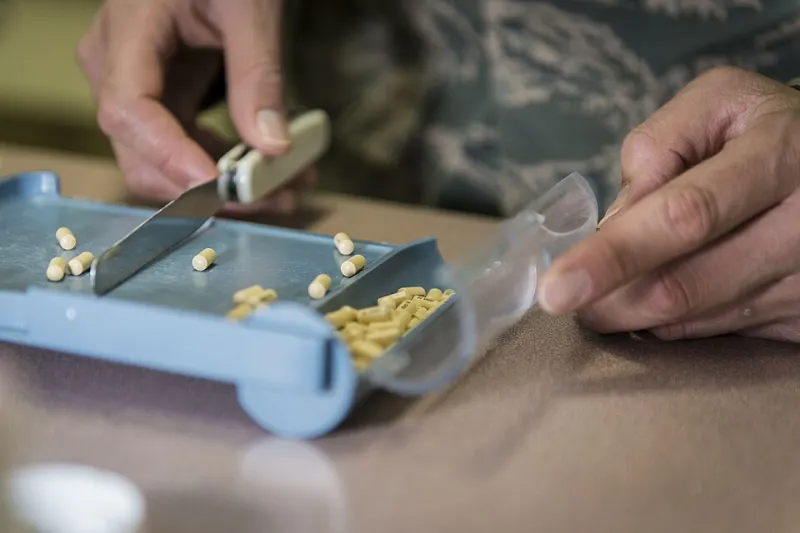
Photo: pharmacy receipt close up with prescription cost breakdown, via www.kistmcth.edu.np
Two pharmacies, same generic, same strength, same 30 tablets. One quotes $6 cash. The other quotes $19. Neither is necessarily lying. The difference is often a line item most people never read: the dispensing fee.
The fee has a name — and it is not the drug
Pharmacies charge for the drug and for the work of filling the prescription. The dispensing fee covers staff time, packaging, labels, computer systems, and the pharmacist's final check. It can be a flat fee, a tiered fee, or baked into a negotiated rate. On a receipt, it may show up as 'dispensing fee,' 'professional fee,' or not at all. When it is not itemized, it is still there — inside the cash price or the insurance copay.
That is why a $3 generic can become an $18 prescription without anyone breaking the law. The sticker price is the sum of two moving parts: the drug cost and the fee. If you only compare the final number, you never know which part is driving the difference.
Why neighbors quote different prices
Same generic, different math. Pharmacy A might buy the bottle for $3 and add a $3 fee. Pharmacy B might buy it for $4 but add a $14 fee because of its cost structure or membership model. A third might use a discount-card rate that includes a smaller fee but a different drug price.
Some pharmacies build the fee into a higher shelf price. Some charge a minimum fee on cheap generics. Some waive or reduce the fee for members. The result is a spread that looks random but usually is not. The fee is doing a lot of the work.
Cash, copay, and discount cards are not the same animal
Cash price: what you pay without insurance. The fee may be visible or bundled. Insurance copay: your share of a negotiated rate; the plan's contract may set the dispensing fee, and your copay may hide it. Discount cards: a negotiated cash price, often with a smaller fee, but not insurance. Membership programs: you pay a yearly fee for lower cash prices, sometimes with a reduced or waived dispensing fee.
In 2026, the cheapest route depends on the drug, the pharmacy, and the fill length — not on a single rule. A discount card can beat a copay on one generic and lose badly on another. Cash can beat insurance on a cheap generic but leave you without credit toward your deductible. Compare totals, not labels.
Medicare Part D and the fee you do not see
If your prescription runs through Medicare Part D, the plan's network and preferred pharmacy rules matter. A preferred pharmacy may have a lower negotiated dispensing fee, which can lower your copay. A standard network pharmacy may charge more. The fee is not usually a separate line on your Part D explanation of benefits, but it is part of the total. That is why the same drug can cost different amounts at two in-network pharmacies. Check your plan's preferred pharmacy list before you assume the closest counter is the cheapest.
30 days vs. 90 days: one fee or two?
Ask whether the dispensing fee is charged per fill or per tablet. Many pharmacies charge one fee per prescription fill. If you refill monthly, you pay 12 fees a year. A 90-day fill may carry one fee instead of three. But the drug cost may be higher upfront, and your plan may require a 90-day supply at a preferred pharmacy. Run the total, not the fee alone.
The script: ask for the breakdown
Try this at the counter or on the phone: 'Can you break down the cash price into the drug cost and the dispensing fee?' Then: 'Does the dispensing fee change for a 90-day fill?' And: 'Is there a membership or discount card that lowers the fee for this drug?'
If you use insurance: 'What is the cash price without insurance, and what is my copay with insurance?' Write down both numbers. The difference is your real choice.
When a membership or cash price wins
Do the annual math. If a $30 membership saves $8 per monthly fill, that is $96 a year — worth it if you fill regularly. If it saves $2, it may not be. If the cash price is $6 and your copay is $15, cash wins that day. But check that the cash price is for the same quantity and that you are not skipping coverage that matters later. And ask whether the pharmacy will match a competitor's cash price; some do, some do not.
The fine print that changes the answer
Some pharmacies charge a minimum dispensing fee. Some waive it for certain generics. Some discount cards exclude certain drugs. Some plans require you to use a specific pharmacy for the lowest copay. The only way to know is to ask for the two numbers: drug cost and fee, or total cash and total copay. A $3 generic with a $15 fee is not a $3 prescription.
Bottom line
The dispensing fee is real, it is often hidden, and it explains a lot of the price gap between two nearby pharmacies. Ask for the breakdown, check the 30- versus 90-day math, and compare the total you actually pay. In 2026, a few minutes on the phone can beat a loyalty punch card.