Your Insurance Card Isn't Always the Cheap Option: 6 Prescriptions Where Cash Wins
Photo: National Photo Company Collection, Public domain, via Wikimedia Commons
Here's a sentence that surprises people at the pharmacy counter: 'Run it through insurance' is not always the money-saving move. Sometimes the cash price, or a discount card price, is lower than your insurance copay. That doesn't mean insurance is a scam or that cash is always better. It means the cheap option depends on the drug, your plan, your deductible, and even which pharmacy you use.
At MedicinePrice24, the whole point is real prices and real savings. So let's look at why this happens, which prescriptions are worth a price check, and exactly what to say at the counter so you don't overpay out of habit.
Why insurance can cost more than cash
Insurance feels like it should be the discount. But the number you pay at the pharmacy is built from several moving parts.
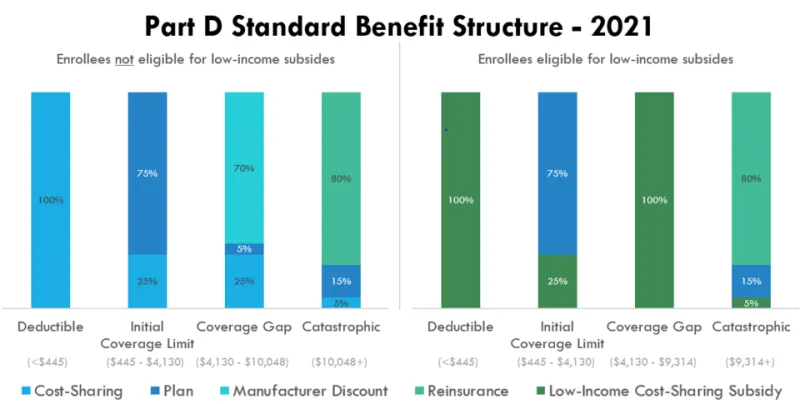
- Deductibles. Before your plan starts sharing costs, you may pay the full negotiated rate. For a cheap generic, that insurance rate can be higher than a pharmacy's cash price or a discount-card price.
- Tier placement. Plans sort drugs into tiers with different copays. A generic can land on a tier that costs more than the cash price at another store.
- Pharmacy middlemen. Pharmacy benefit managers negotiate prices with pharmacies and plans. Those arrangements don't always produce the lowest possible counter price for a cash-paying patient.
- Pharmacy choice. Your plan may have a preferred pharmacy with a lower copay and a standard pharmacy with a higher one. A cash price at a different store can beat the non-preferred copay.
- Discount cards. Cards like GoodRx, SingleCare, and pharmacy-specific savings programs are not insurance. They are another price to compare. Sometimes they win. Sometimes they don't.
The key is to stop assuming and start comparing. Ask for two or three numbers: insurance copay, cash price, and discount-card price.
Six prescriptions worth a price check
The ranges below are illustrative for common generic versions and standard quantities. Your actual price will vary by pharmacy, location, quantity, and plan. Treat these as a reason to ask, not a quote.
| Prescription | Typical cash or discount-card range | Typical insurance copay range | Why cash can win |
|---|---|---|---|
| Atorvastatin 20 mg, 30 tablets | $6 to $15 | $10 to $35 | Common generic; deductible or tier copay can exceed cash. |
| Lisinopril 10 mg, 30 tablets | $4 to $10 | $10 to $25 | Very low cash prices at some pharmacies; insurance may have a minimum copay. |
| Metformin 500 mg, 60 tablets | $4 to $12 | $10 to $30 | High-volume generic with wide cash-price spread. |
| Levothyroxine 50 mcg, 30 tablets | $10 to $20 | $15 to $35 | Maintenance drug; small copay differences add up over a year. |
| Sertraline 50 mg, 30 tablets | $6 to $15 | $10 to $30 | Generic pricing varies a lot by pharmacy. |
| Omeprazole 20 mg, 30 capsules | $8 to $18 | $15 to $35 | OTC alternatives and discount cards can undercut a copay. |
These are not exotic specialty drugs. They are the everyday prescriptions that fill pharmacy shelves. That is exactly why it is easy to overpay without noticing.
The pharmacist script that gets both prices
You do not need to be a pricing expert. You just need to ask clearly. Here is a script you can use at the counter or on the phone:
'Before you bill my insurance, can you check the cash price and a discount-card price for this exact prescription? I want to compare all three: my insurance copay, the cash price, and the discount-card price. If insurance is higher, can you tell me whether that is because of my deductible or my tier? Please note both prices so I can decide.'
A few follow-up questions help:
- 'Does this price change if I get a 90-day supply?'
- 'Is this the preferred pharmacy price or the standard price?'
- 'Is there a lower-cost generic version of this same drug?'
- 'If I pay cash today, does that amount count toward my deductible or out-of-pocket maximum?'
- 'Can you check the price at a nearby pharmacy in my plan's network?'
That last question matters. A few miles can change the math.
When paying cash is a bad idea
Cash is not automatically better. If your insurance copay is low, taking the cash price may mean you lose credit toward your plan's deductible or out-of-pocket maximum. For someone with regular prescriptions, that progress can matter later in the year.
Cash also tends to lose badly with brand-name drugs, specialty medications, and drugs with manufacturer copay assistance. And if you have Medicare Part D or Medicaid, manufacturer coupons and some discount programs may not be allowed. Always ask what counts and what doesn't.
A two-minute routine that can save real money
Keep a current list of your prescriptions, doses, and quantities. When you refill, ask for the insurance price and the cash price. Compare the total for a 30-day and 90-day supply. If the cash price wins, ask whether it affects your deductible. If insurance wins, ask whether a preferred pharmacy would be cheaper.
It is not about gaming the system. It is about using the system correctly. Insurance is a tool, not a guarantee of the lowest price. Sometimes the smartest move is simply to ask, 'What would this cost if I paid cash?'
That one question can turn a routine refill into a small but real win for your budget.